What graphology looks at
We consider features such as baseline, spacing, slant, pressure and letter formation as a combined pattern. The result is a reflective profile, not a diagnosis or a judgment.
Discover the personality patterns and emotional signals reflected in your handwriting.
Enquire about Graphology →

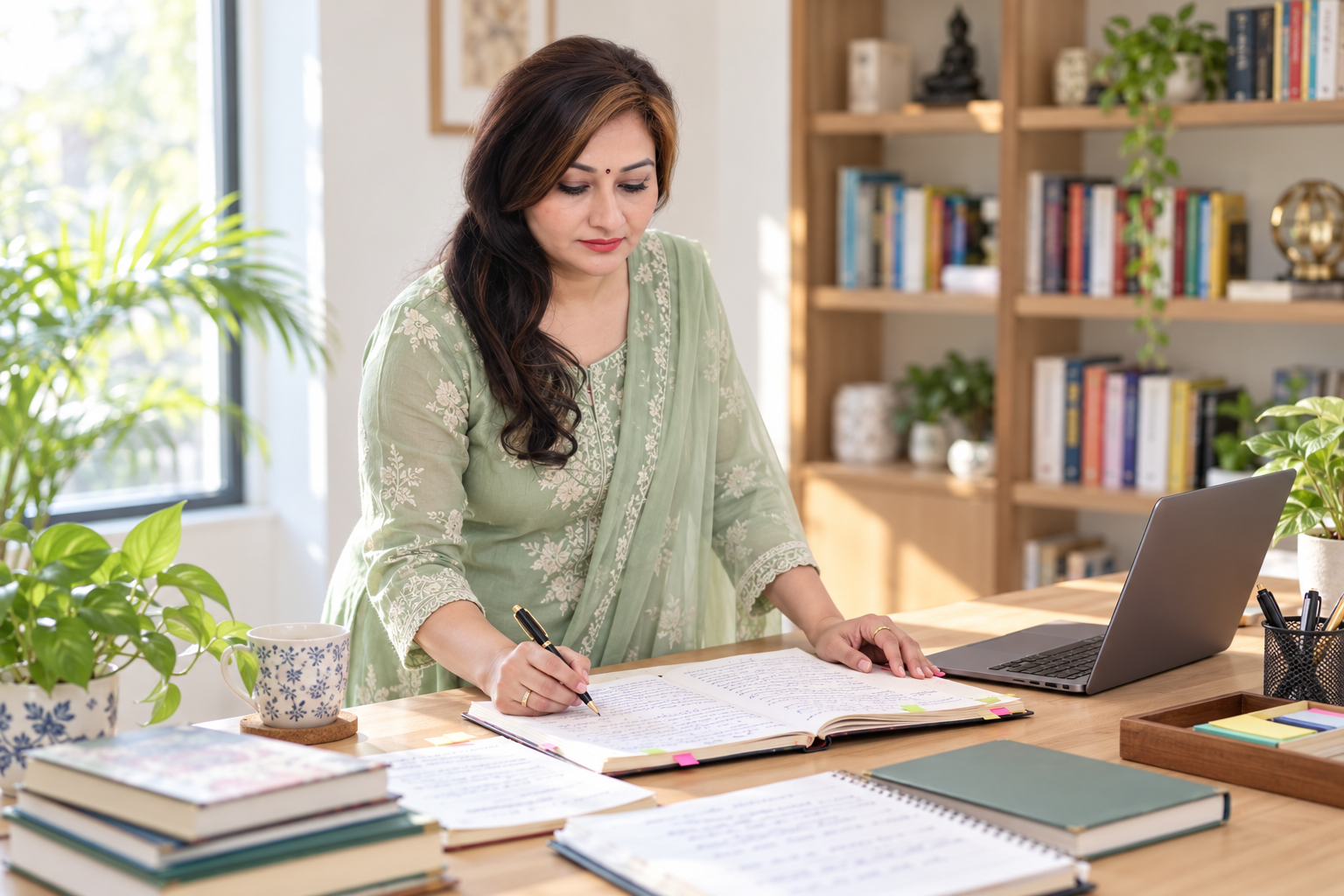
Graphology
Handwriting carries small, personal signals in its movement, spacing and rhythm. A personalized graphology analysis offers a fresh lens for understanding communication habits, emotional energy and the way you respond to pressure.
We consider features such as baseline, spacing, slant, pressure and letter formation as a combined pattern. The result is a reflective profile, not a diagnosis or a judgment.
Write a natural paragraph on unlined paper, sign it and photograph the full page in good light. Your sample stays private and is used only for your session.
Graphology in practice
Explore communication habits and emotional tendencies through your writing.
Spacing, rhythm, pressure and form are considered together, with care.
Your sample is handled respectfully and the conversation stays supportive.
Your session journey
Every consultation is personal, confidential and paced around what you need today.
Write a paragraph on unlined paper, sign it and share a clear photo.
We observe movement, spacing, slant, pressure and letter formation as a pattern.
Insights are related to communication, energy and habits in your daily life.
You leave with reflective prompts that support awareness and positive change.

A thoughtful place to begin
For self-discovery, communication growth, leadership reflection and anyone curious about the story their handwriting tells.
Book your consultation →Graphology is the study of handwriting patterns as a lens for self-understanding. The movement, spacing, pressure and rhythm of writing can offer clues about communication habits, energy and the way a person approaches tasks. A Mystic Sciences graphology session is personal, confidential and reflective. It is not a medical diagnosis, psychological test or measure of intelligence.
A single feature rarely tells a complete story. We consider a combination of signals, such as baseline, slant, margins, word spacing, letter size, pressure and the way strokes begin and finish. Together, these patterns can suggest how you organize thoughts, express emotion, manage boundaries or respond to pace. The value lies in the conversation these observations create. You can compare the profile with your experience and decide which insights are useful.
People use graphology to understand how they communicate, collaborate and recover from stress. A review may highlight a preference for structure, a need for autonomy, an expressive style or a tendency to hold thoughts back until they feel ready. These are invitations to notice habits, not labels that define you. By naming a pattern, you gain the choice to keep it, adjust it or create a more supportive environment around it.
Handwriting insight can support conversations about work style, leadership, learning and relationships. You may discover why certain environments energize you, why feedback feels difficult or how your communication can become clearer. We do not analyze another person to make a high-stakes decision about them. The service is designed for personal reflection and development, with your consent and context at the center.
Write a natural paragraph of at least six lines on unlined paper using your everyday pen. Copying a formal sentence or deliberately changing your handwriting makes the sample less useful. Include a signature and photograph the whole page in even, natural light. If your handwriting changes across languages or situations, you may share more than one sample and explain when each was written.
At the beginning we discuss what you hope to understand. We then review the sample as a whole, explain the patterns we notice and invite your response. You can ask how an observation relates to communication, confidence, focus or emotional energy. The session closes with practical suggestions, such as a writing exercise, a conversation to prepare for or a boundary to practice.
Handwriting changes with mood, health, writing surface, speed and the tool you use. It should never be used to diagnose a health condition, determine someone’s suitability for employment or make a legal decision. A thoughtful analysis respects these limits and treats the writing as a moment in time. If you need clinical or professional support, we will always encourage an appropriately qualified specialist.
This service can be valuable for students, professionals, creatives, people working on confidence and anyone curious about their communication patterns. It can also provide a fresh prompt during a transition when your usual self-description no longer feels complete. You do not need beautiful or neat handwriting. Natural writing, honest curiosity and a willingness to reflect are more important than appearance.
A handwriting profile becomes useful when you connect an observation to a small experiment. If your writing suggests that you rush when under pressure, try a slower planning ritual and notice the effect. If spacing reflects a need for boundaries, practice making one request more direct. These experiments are not proof that a feature determines behavior; they are ways to explore whether a different habit feels more supportive. Keep what helps and leave what does not.
Every handwriting sample reflects a particular day, tool, posture and emotional state. We explain interpretations as possibilities and invite your context before drawing conclusions. You will never be reduced to a label or compared with an imagined ideal. This care matters because self-understanding should increase choice, not create a new standard to worry about. A thoughtful graphology session leaves you curious about your patterns and kinder toward the parts of yourself still learning.
A session is a starting point for reflection, not a replacement for professional medical, legal, financial or mental health advice. We treat every question with care, protect your privacy and explain the limits of intuitive guidance clearly. You can ask questions throughout the conversation, take time to consider an idea and choose only the suggestions that feel appropriate for your circumstances. Afterward, write down the insight that felt most useful and one manageable action for the coming week. Small, consistent steps help turn a meaningful conversation into a more confident everyday practice.
Questions, answered
People often wonder whether typing can replace handwriting. The physical movement of writing is central to this practice, so a handwritten sample is preferred. You may also ask whether one page is enough. One natural page gives a useful starting point, while additional samples can show context. If you want to know how to prepare, contact us and we will explain the simple process.
Write a natural paragraph of at least six lines on unlined paper, add your signature and photograph the whole page in good light.
Handwriting is central to this practice, so a handwritten sample is preferred for an accurate reflective review.
No. It is a personal reflection tool and should never replace medical, psychological or professional assessment.
Yes. Your sample and conversation are handled respectfully and used only for your session.
Crystal jewellery
Shop your favourite products and services through our online spiritual store
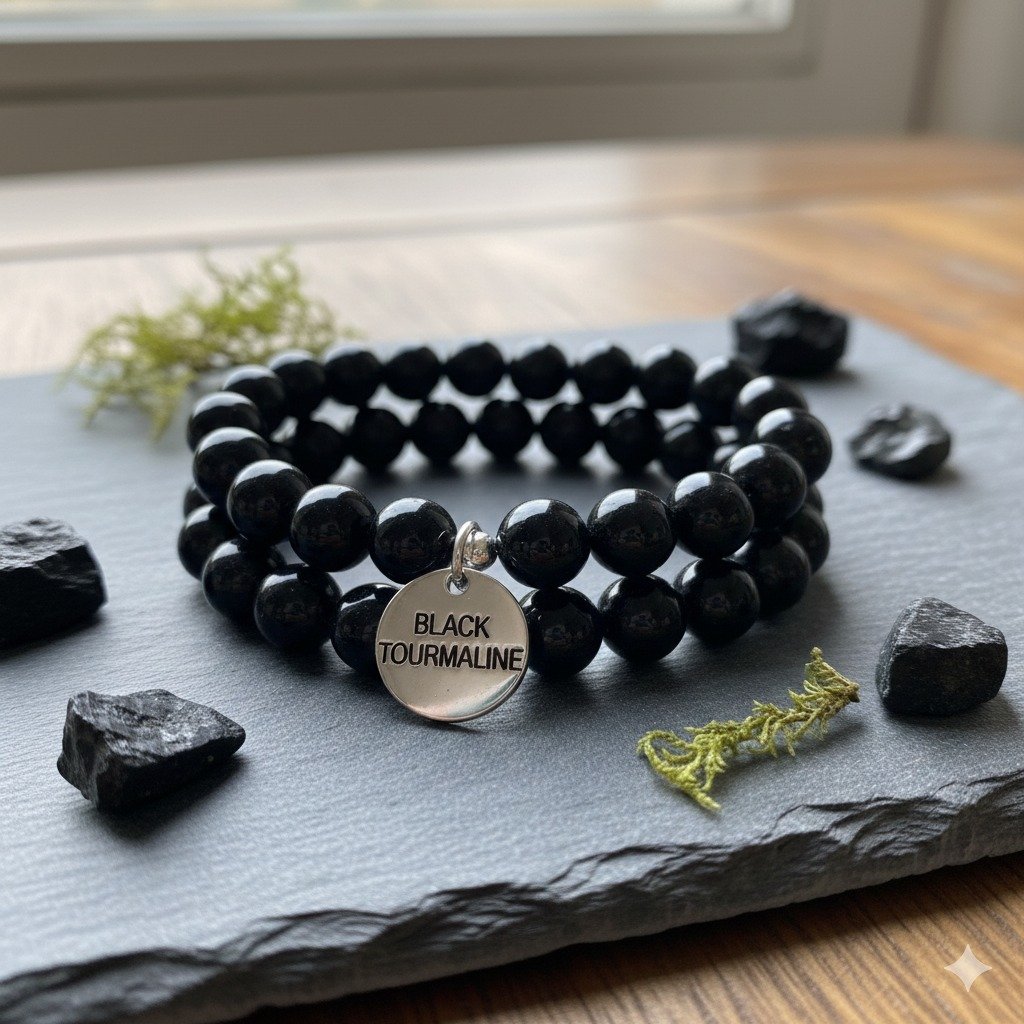
Black tourmaline's main benefits center around powerful energetic protection, grounding, and stress relief by absorbing negativity, deflecting psychic attacks, and promoting emotional stability.
Read More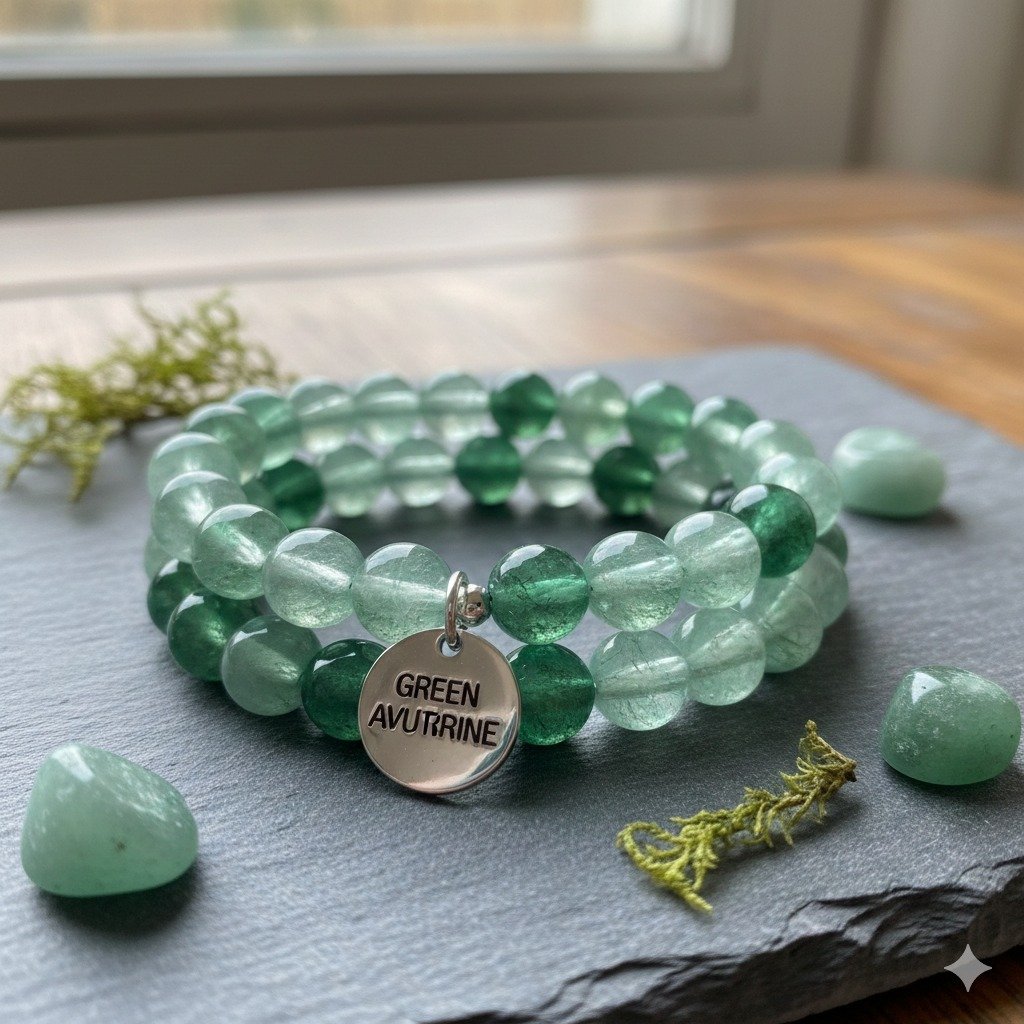
Green Aventurine is a peaceful and lucky stone that helps you heal, grow and stay calm. It teaches you to stay positive and believe in yourself even during tough times. From bringing luck and money to calming your emotions, its benefits touch every part of life.
Read More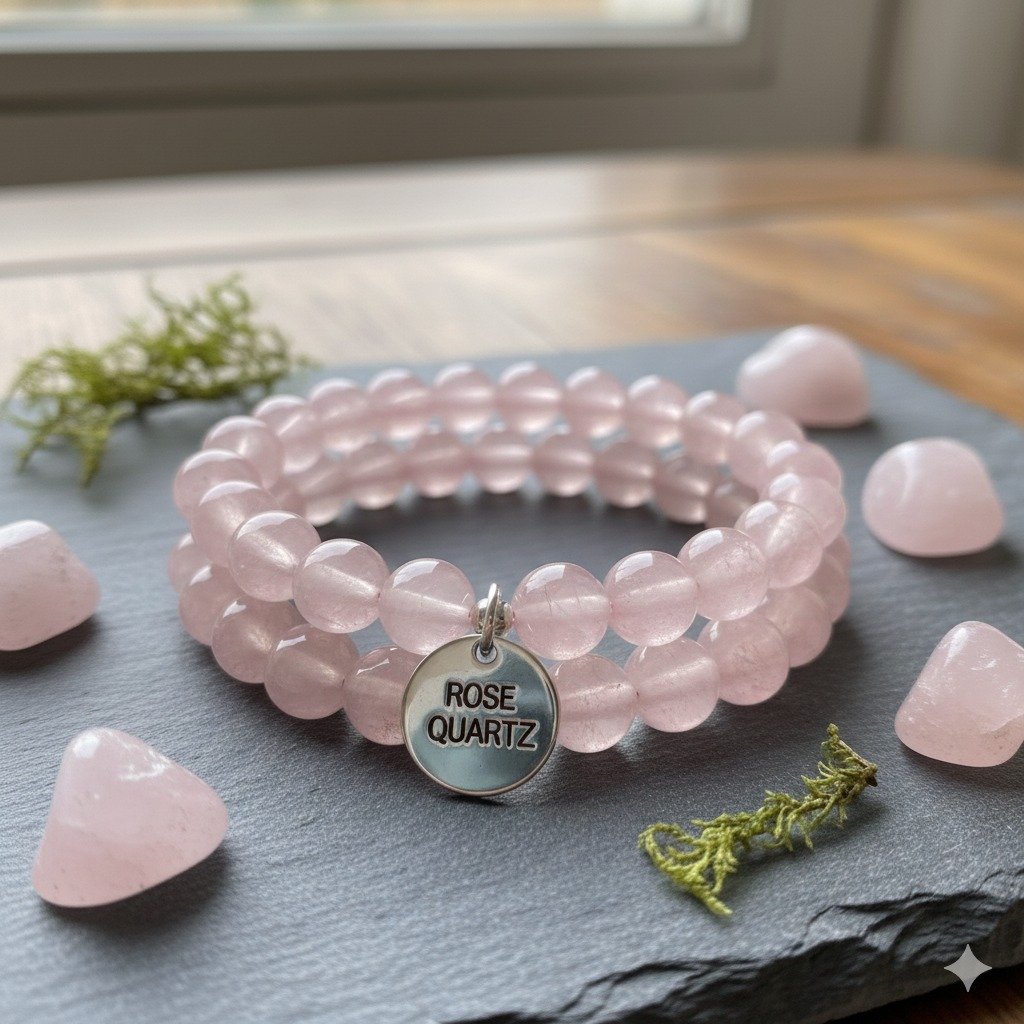
Rose quartz benefits center on love, emotional healing, and peace, opening the heart chakra to foster unconditional love, self-love, compassion, and forgiveness, while reducing stress and anxiety and promoting calm.
Read More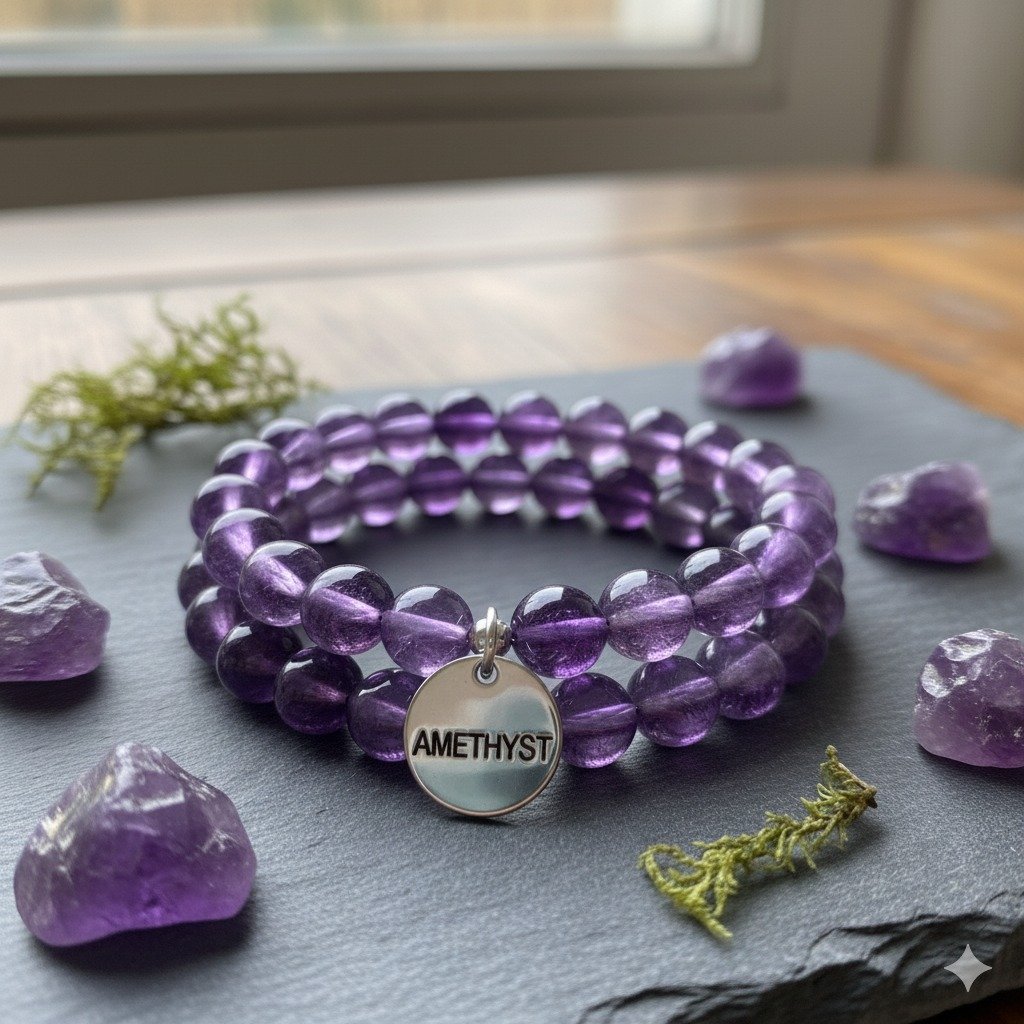
The power of amethyst is rooted in its ability to bring us comfort and ease pain. Along with its remarkable stress-relieving properties, people often use amethyst to meditate, relax, and increase their sense of comfort.
Read MoreYou don’t need the perfect question. A natural handwriting sample and an honest note about what you want to understand is enough to begin.

Your guide at Mystic Sciences